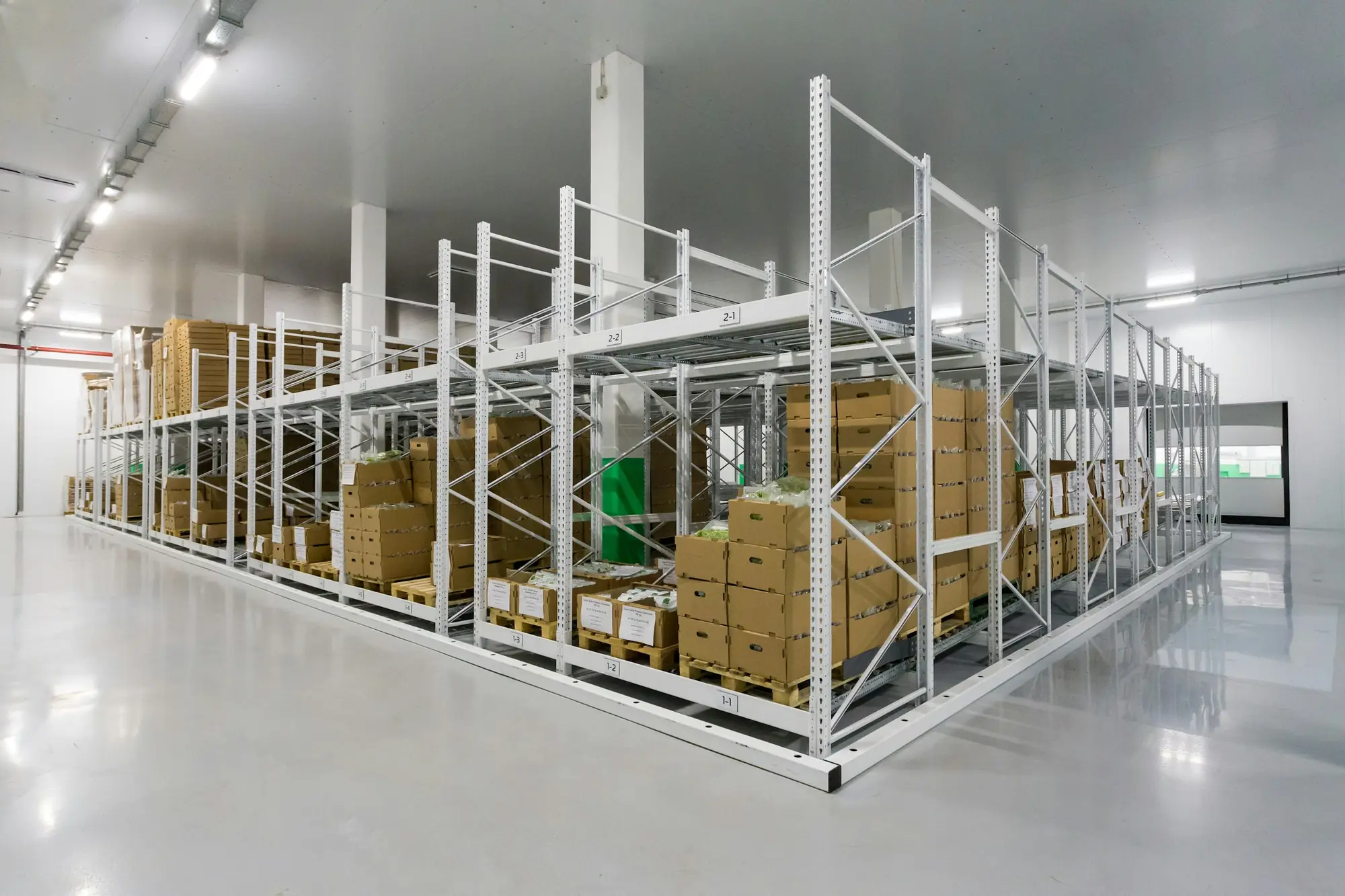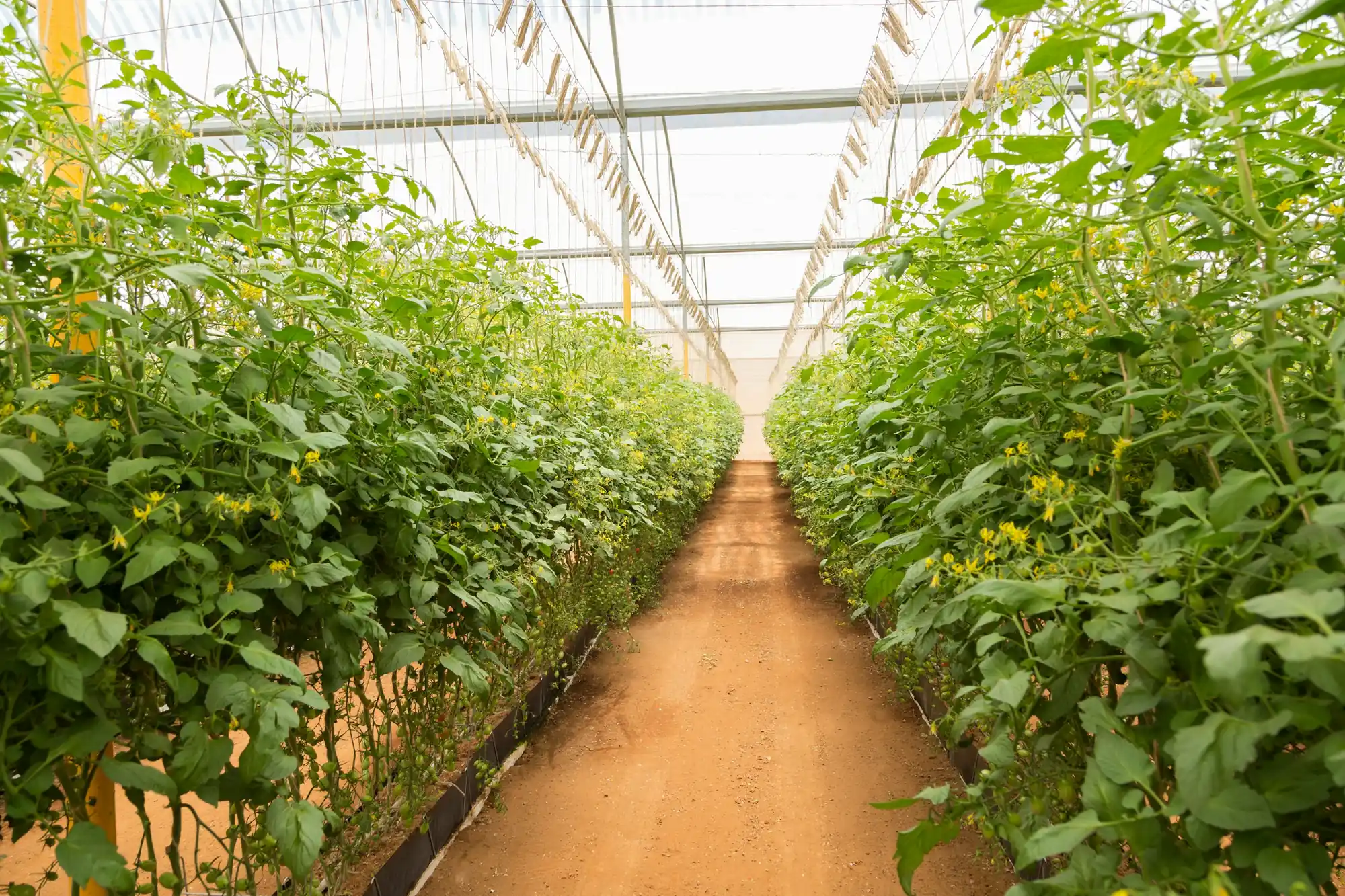
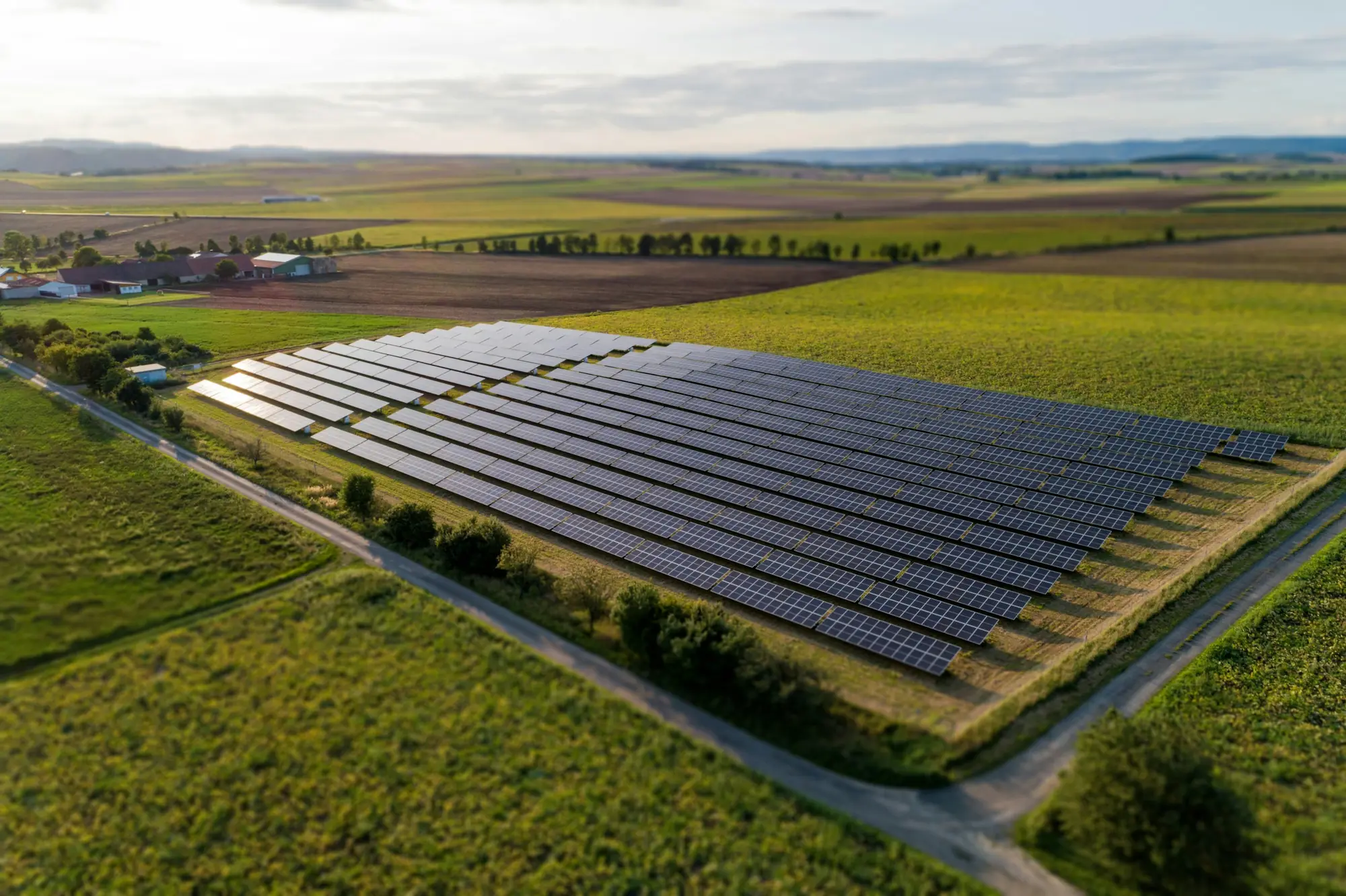
Electricity cost is the #1 operating expense for cold storage — accounting for 40-60% of annual operating costs. In regions with high tariffs (₹8-12/unit) or unreliable grid supply, solar-powered cold storage is not just green — it's smart business. With PM-KUSUM and NHB subsidies stackable, the economics are compelling.
Solar Cold Storage: How It Works
A solar cold storage system consists of three components: solar PV panels (generate DC electricity), inverter and battery system (convert, store, and manage power), and the cold room itself (PUF insulated room with refrigeration equipment). During daytime, solar panels directly power the refrigeration system while charging batteries. At night, batteries power the system. In hybrid configurations, grid power serves as backup.
Cost Breakdown: 10 MT Solar Cold Storage
| Component | Off-Grid (₹ Lakh) | Hybrid (₹ Lakh) |
|---|---|---|
| Cold Room (PUF + Daikin) | 10-15 | 10-15 |
| Solar Panels (15-20 kW) | 6-9 | 5-7 |
| Battery (Lithium, 30-50 kWh) | 6-10 | 3-5 |
| Inverter + Controller | 2-3 | 1.5-2.5 |
| Installation + Misc | 2-3 | 1.5-2.5 |
| Total | 26-40 | 22-32 |
Need Help With Your Project?
Get a free project estimate in 24 hours. Subsidy eligibility check included.
Subsidy Stacking: PM-KUSUM + NHB
The magic of solar cold storage lies in stacking two subsidies: PM-KUSUM for the solar component (up to 60% subsidy on panels + pump) and NHB for the cold storage component (35–45% capital subsidy). Combined, the farmer's effective share can drop to 25-35% of total project cost.
Annual Savings Analysis
A 10 MT cold storage consumes approximately 25,000-35,000 kWh of electricity annually. At commercial rates of ₹8-12/unit, that's ₹2-4.2 Lakh/year in electricity costs. Solar eliminates 80-100% of this cost, generating savings that pay off the solar investment in 3-5 years (with subsidies).
Best Locations for Solar Cold Storage
Regions with high solar irradiation (5+ kWh/sqm/day) AND high electricity tariffs are ideal: Rajasthan, Gujarat, Maharashtra (Marathwada), Madhya Pradesh, UP (Bundelkhand), and Karnataka (northern). These regions also have significant agricultural production, creating strong demand for cold chain infrastructure.