
AgriMotion Engineering
    Cost & scheme guide · Solar

    PM-KUSUM Solar Pump Subsidy: Component A, B, C Explained

    2 min readSolar EPC By Updated

    In short.

    PM-KUSUM (Pradhan Mantri Kisan Urja Suraksha evam Utthan Mahabhiyan) is a government scheme for solar energy in agriculture. It has three components: A (solar power plants on barren land), B (standalone solar pumps), and C (grid-connected solar pumps). Complete PM-KUSUM scheme guide — Component A (solar power plants), B (standalone pumps), C (grid-connected pumps).

    On this page7 sections
    1. 01Component A: Solar Power Plants on Agricultural Land
    2. 02Component B: Standalone Solar Agricultural Pumps
    3. 03Component C: Solarisation of Grid-Connected Pumps
    4. 04Application Process
    5. 05Solar + Cold Storage: The Perfect Combo
    6. 06Sources
    7. 07Frequently asked questions

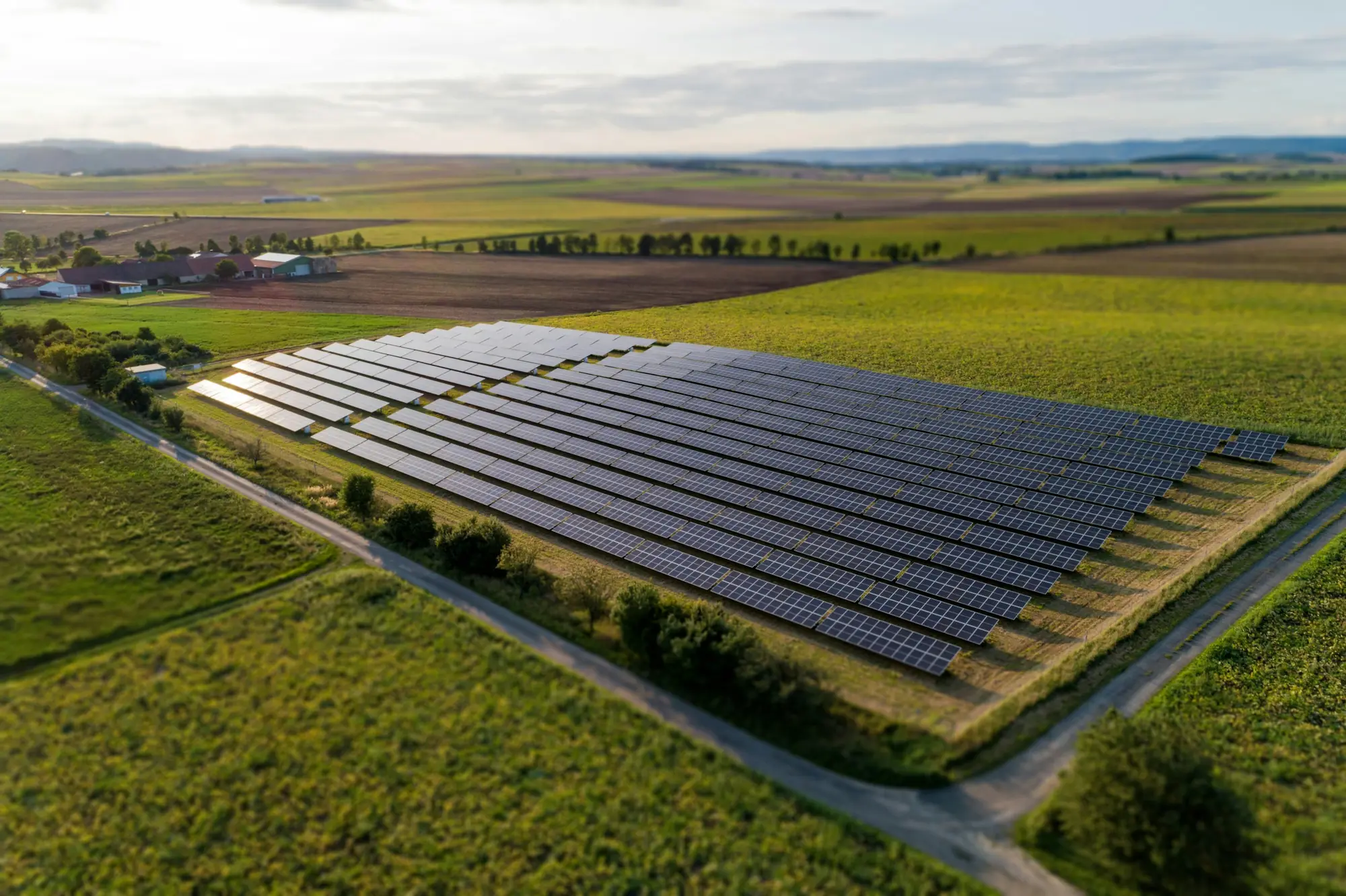
    PM-KUSUM is the government's flagship scheme to solarize Indian agriculture — reducing electricity costs for farmers while generating clean energy. With up to 60% subsidy on solar pumps and the opportunity to earn from surplus power, this scheme is transforming farm economics across India.

    Component A: Solar Power Plants on Agricultural Land

    Farmers, FPOs, cooperatives, and panchayats can set up solar power plants of 500 KW to 2 MW capacity on barren/uncultivable agricultural land. Power is purchased by the local DISCOM at a tariff determined by the state regulator. The farmer earns steady rental income from the land while the power plant generates revenue.

    • Capacity: 500 KW to 2 MW per plant
    • Subsidy: No direct subsidy — revenue model based on power purchase agreement (PPA)
    • Best for: Farmers with unused barren land near substations
    • Revenue: ₹3-5 Lakh per MW per year as land lease + power sale revenue

    Component B: Standalone Solar Agricultural Pumps

    This is the most popular component — individual solar-powered irrigation pumps for farmers who don't have grid connectivity or face unreliable power supply.

    Pump CapacityTotal Cost (₹)Central Subsidy (30%)State Subsidy (30%)Farmer Share (40%)
    3 HP₹2.5-3.5L₹75K-1.05L₹75K-1.05L₹1-1.4L
    5 HP₹3.5-5L₹1.05-1.5L₹1.05-1.5L₹1.4-2L
    7.5 HP₹5-7L₹1.5-2.1L₹1.5-2.1L₹2-2.8L

    Need Help With Your Project?

    Get a free project estimate in 24 hours. Subsidy eligibility check included.

    Component C: Solarisation of Grid-Connected Pumps

    Farmers with existing grid-connected electric pumps can install solar panels to power their pumps and sell surplus electricity to the DISCOM. This creates a dual benefit: free irrigation + additional income from power sales.

    • Subsidy: 30% Central + 30% State (farmer pays 40%, can avail bank loan for 30%)
    • Capacity: Up to 10 HP (solar panel capacity = 2x pump capacity in kW)
    • Surplus power: Fed to grid at feed-in tariff (₹3-4/unit in most states)
    • Savings: Zero electricity bill for irrigation + ₹5,000-15,000/month from surplus power sale

    Application Process

    1. Registration: Apply on the state-specific PM-KUSUM portal (varies by state DISCOM)
    2. Document Submission: Aadhaar, land documents, existing electricity connection details (for Component C)
    3. Technical Survey: DISCOM/empaneled agency surveys the site for solar feasibility
    4. Vendor Selection: Choose from state-empaneled solar pump suppliers (AgriMotion is empaneled in UP, MP)
    5. Installation: Solar panels + pump + controller installed within 60-90 days of approval
    6. Commissioning: DISCOM inspects and commissions the system
    7. Subsidy Credit: Central + State subsidy directly adjusts against the total cost

    Solar + Cold Storage: The Perfect Combo

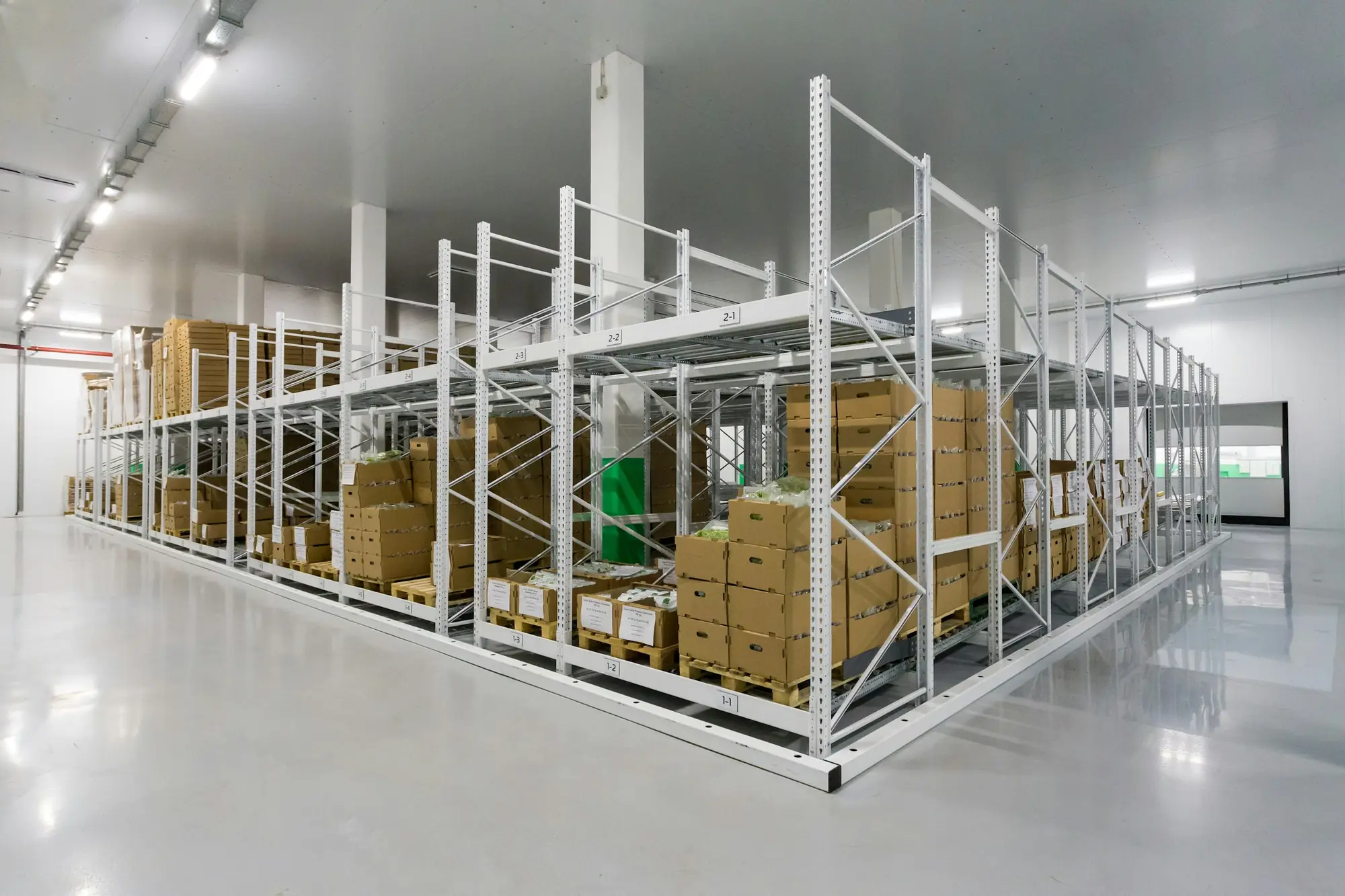
    AgriMotion specializes in combining PM-KUSUM solar installations with cold storage projects. A solar-powered cold storage eliminates the single biggest operating cost — electricity (₹3-6 Lakh/year for a 100 MT unit). We design, install, and commission both the solar plant and the cold chain infrastructure as a single EPC project, maximizing subsidy benefits across PM-KUSUM, NHB, and AIF schemes.
    Sources

    The official scheme documents behind the figures in this guide. Scheme rules change — confirm the current circular with the sanctioning authority before you apply.

    1. 01
      PM-KUSUM scheme guidelines

      “Pradhan Mantri Kisan Urja Suraksha evam Utthaan Mahabhiyan (PM-KUSUM) — scheme guidelines”

      Ministry of New and Renewable Energy, Government of India · Not yet in our source ledger — confirm current terms with the implementing agency

    Questions

    Frequently asked questions.

    Short answers from the engineers who price these projects.

    What is PM-KUSUM scheme?

    PM-KUSUM (Pradhan Mantri Kisan Urja Suraksha evam Utthan Mahabhiyan) is a government scheme for solar energy in agriculture. It has three components: A (solar power plants on barren land), B (standalone solar pumps), and C (grid-connected solar pumps).

    How much subsidy is available under PM-KUSUM?

    Component B provides 30% Central + 30% State = 60% total subsidy on standalone solar pumps. Component C provides 30% Central + 30% State subsidy on grid-connected solar pumps. Farmer pays only 40% (or 10% via bank loan).

    Who is eligible for PM-KUSUM?

    All farmers with existing grid-connected pumps (Component C) or needing new irrigation pumps (Component B). Capacity up to 7.5 HP for Component B, up to 10 HP for Component C.

    Can I sell surplus solar power under PM-KUSUM?

    Yes. Under Component C, surplus power generated by the solar panel is fed back to the grid, and the farmer earns revenue at the feed-in tariff rate set by the state DISCOM.

    Solar for agriculture

    Everything we’ve published on this

    Solar for agriculture overview
    Ready to start your project?

    Get your project cost in 24 hours.

    A free project estimate with a subsidy eligibility check. Share the crop, capacity and district — an engineer replies with the numbers and the next steps.

    • An engineer calls backUsually the same working day — someone who can talk loads, layouts and schemes.
    • An indicative estimateCapex range, scheme fit and next steps, before any paid DPR work.
    • No obligationYour details are used only to reply to this enquiry.
    Your details
    Your project

    No spam. Indicative estimate only — final quotation depends on site condition, specifications and current material rates.