
AgriMotion Engineering
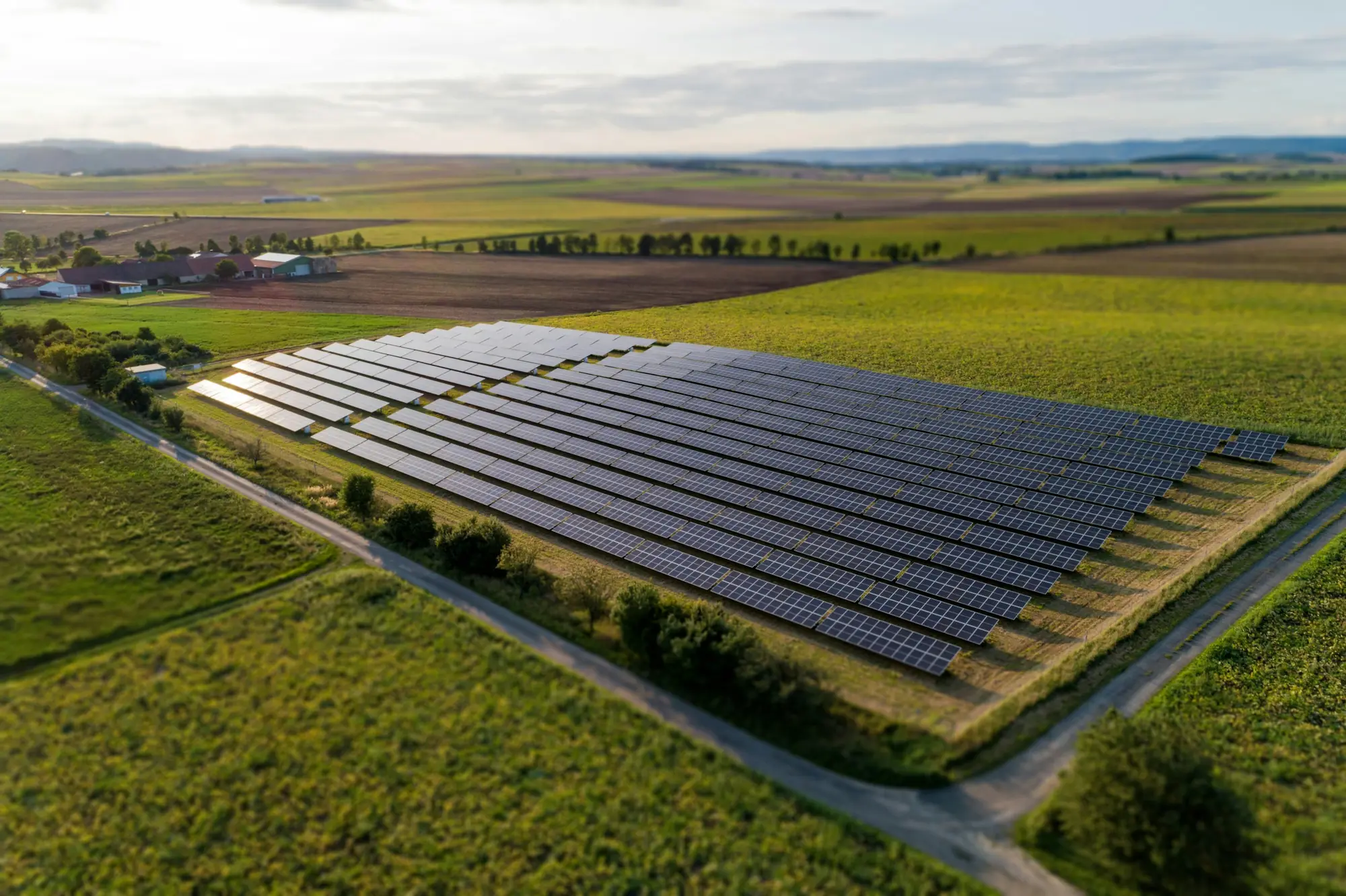
    Ground-mounted solar array
    Renewable Energy

    Solar EPC Resource Center for Agriculture & Cold Chain

    Field-tested knowledge for sizing, financing and operating solar PV systems on farms, polyhouses, cold rooms and processing units — including PM-KUSUM and net-metering rules.

    By Updated
    ₹45,000–55,000
    per kW turnkey (rooftop)
    30%
    CFA on PM-KUSUM B/C
    3–5 yr
    typical payback
    3 guides
    + checklist and 3 FAQs
    01

    Sizing Solar PV for Farm, Cold Room and Polyhouse Loads

    Size for daily energy demand (kWh/day) not peak load. Use 4.5–5.0 kWh per kW per day in most of India as the generation benchmark.

    1-acre NVPH with fertigation: 3–5 kW rooftop or ground-mount, ~15–20 kWh/day. The pump can be covered under PM-KUSUM — Component B for a standalone off-grid solar pump, Component C for solarising an existing grid-connected pump.

    100 MT cold storage: 25–40 kW depending on insulation quality. Net-metering connected on industrial tariff slashes the power bill 50–80% with 3–5 year payback.

    5 TPD food processing unit: 75–150 kW depending on motor mix. Best designed with synchronous-grid net-metering plus diesel-backup; standalone hybrid only for genuinely off-grid sites.

    02

    PM-KUSUM Scheme — Components A, B and C Explained

    Component A funds large solar farms on barren land; Component B funds standalone solar pumps for off-grid farmers; Component C funds solarisation of existing grid-connected pumps with feeder-level or individual systems.

    Component B: 30% CFA from MNRE + 30% from state + 40% farmer (with bank loan). Capacity 1.5 HP to 10 HP. AgriMotion installs Tata / Shakti / Lubi / Greaves Cotton AC and DC solar pumps with 5-year compressor warranty.

    Component C (Individual Pump Solarisation, IPS): converts existing grid pump to solar-grid hybrid. Surplus power sold to DISCOM at notified tariff (₹2.5–3.5/kWh) — creating a recurring income line for the farmer.

    Component C (Feeder Level Solarisation, FLS): DISCOM commissions a 1–10 MW solar plant at substation level to feed an agricultural feeder during day hours. Best route for FPOs and cooperatives owning land near a substation.

    03

    Net Metering — What You Need to Know Before Signing

    Net metering rules are set state-by-state. Most states cap residential net metering at 10 kW and commercial/industrial at 1 MW with gross metering above. Settlement is monthly or annual depending on state.

    Always check the latest DISCOM net-metering regulation before quoting. UP, MP, Maharashtra and Karnataka have favourable C&I net metering. Some states have moved to gross metering above 10 kW, which changes the financial model significantly.

    Get the technical feasibility report (TFR) from the DISCOM before procuring inverters. Approved inverter brands vary by DISCOM — installing an unapproved brand can block commissioning.

    AGRI tariff customers get separate treatment in many states. Don't install solar under industrial connection if the existing meter is on agriculture tariff — it can void the cheaper tariff and reverse-bill years of consumption.

    Checklist

    Solar Project Pre-Engineering Checklist

    Tick off what’s in hand. Anything still open is where the DPR and the scheme file usually stall.

    0/8ready
    Questions

    Frequently asked questions.

    Short answers on solar epc. The full reasoning is in the guides above.

    How much subsidy can I get on a solar pump?

    Under PM-KUSUM Component B, central + state subsidy totals 60% of the standalone solar pump system. The farmer pays only 40%, usually as a bank loan. Some states top this up further for SC/ST applicants.

    Is solar worth it for a cold storage?

    Yes. Cold storages run 24×7 and consume 70–90% of operating cost on power. A net-metered rooftop solar plant typically cuts the energy bill 50–80% with 3–4 year payback. Daikin inverter compressors pair well with solar by reducing peak inrush.

    What is the design life of a solar plant?

    Tier-1 monocrystalline modules carry a 25-year linear performance warranty (≥80% output at year 25). Inverters typically last 10–12 years and are replaced once during plant life. Mounting structures use hot-dip galvanised steel for 20+ years.

    Solar for agriculture

    Everything we’ve published on this

    Solar for agriculture overview
    Renewable Energy

    Get a solar feasibility & quote

    A crop, a capacity and a location are enough to begin. Share drawings or site photos on WhatsApp if you have them.

    • An engineer calls backUsually the same working day — someone who can talk loads, layouts and schemes.
    • An indicative estimateCapex range, scheme fit and next steps, before any paid DPR work.
    • No obligationYour details are used only to reply to this enquiry.
    Your details
    Your project

    No spam. Indicative estimate only — final quotation depends on site condition, specifications and current material rates.