Hydroponics is India's most hyped agricultural technology right now. Instagram is full of "earn ₹50 Lakh from 1 acre" posts. YouTube gurus promise 10x returns. But what are the real, honest numbers?
This guide provides a transparent, data-backed analysis of hydroponics farm economics in India — what it actually costs, what you can realistically earn, and when you'll break even. No hype. Just math.
Setup Cost: What It Really Takes
A commercial hydroponics farm requires a climate-controlled greenhouse, growing system (NFT, Dutch bucket, or A-frame), fertigation unit, water treatment, and post-harvest infrastructure. Here's the realistic breakdown for 1 acre:
| Component | NFT System | Dutch Bucket |
|---|---|---|
| Greenhouse (Fan-Pad) | ₹20-30 Lakh | ₹20-30 Lakh |
| Growing System | ₹8-12 Lakh | ₹5-8 Lakh |
| Fertigation + Water Treatment | ₹3-5 Lakh | ₹3-5 Lakh |
| Climate Control (additional) | ₹3-5 Lakh | ₹3-5 Lakh |
| Electrical + Automation | ₹2-4 Lakh | ₹2-4 Lakh |
| Post-harvest (pack house, cold room) | ₹3-5 Lakh | ₹3-5 Lakh |
| Installation + Working Capital | ₹5-8 Lakh | ₹5-8 Lakh |
| Total | ₹44-69 Lakh | ₹41-65 Lakh |
Crop-Wise Revenue Analysis
Not all hydroponic crops are equally profitable. The best margins come from crops that are perishable (giving you a freshness advantage), premium-priced, and have consistent demand from hotels, restaurants, modern retail, and direct-to-consumer channels.
| Crop | System | Yield/Acre/Year | Price Range | Gross Revenue |
|---|---|---|---|---|
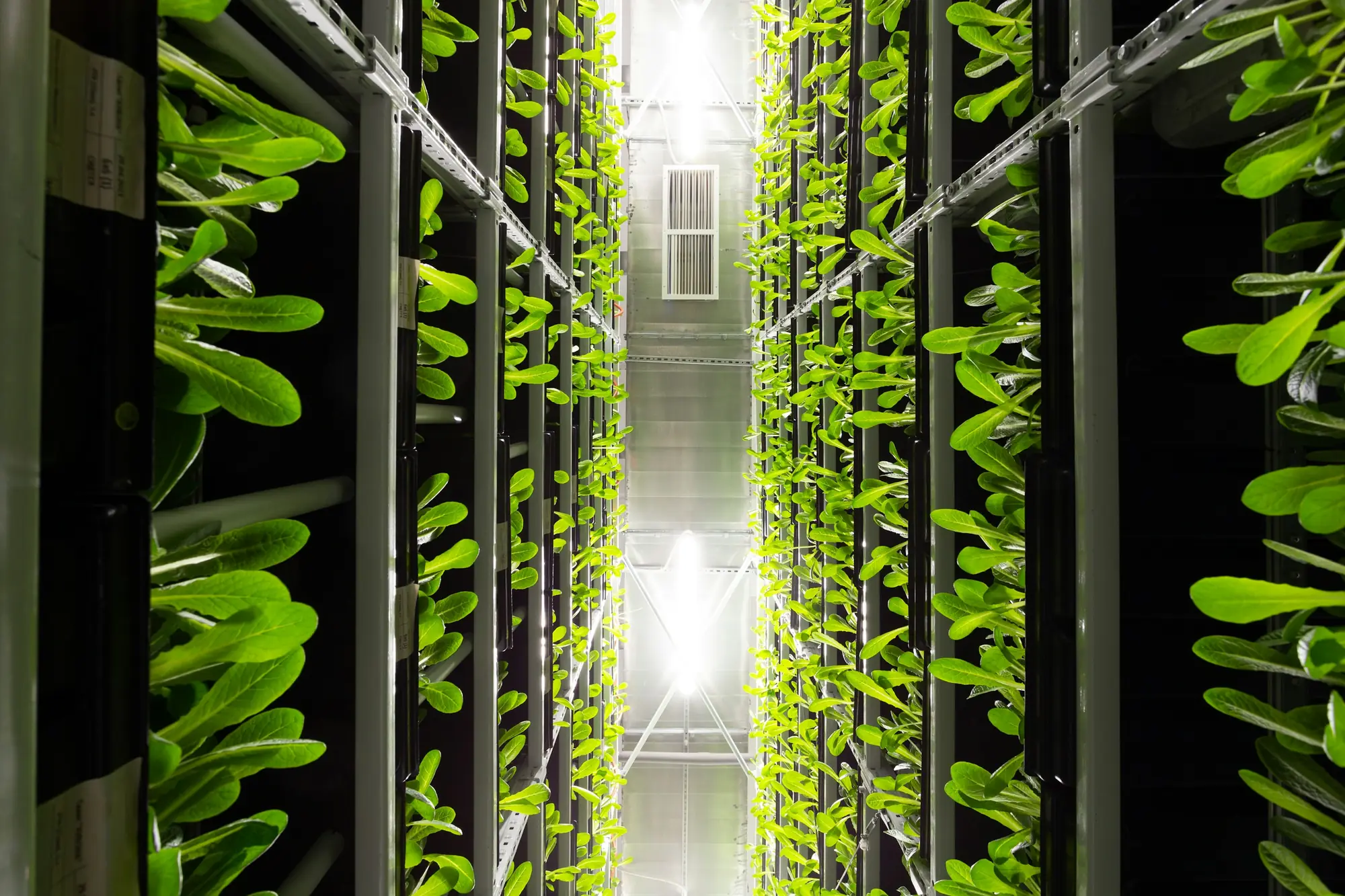
| Lettuce & Salad Mix | NFT | 15-25 tonnes | ₹200-400/kg | ₹30-80 Lakh |
| Basil & Herbs | NFT | 8-15 tonnes | ₹300-800/kg | ₹24-90 Lakh |
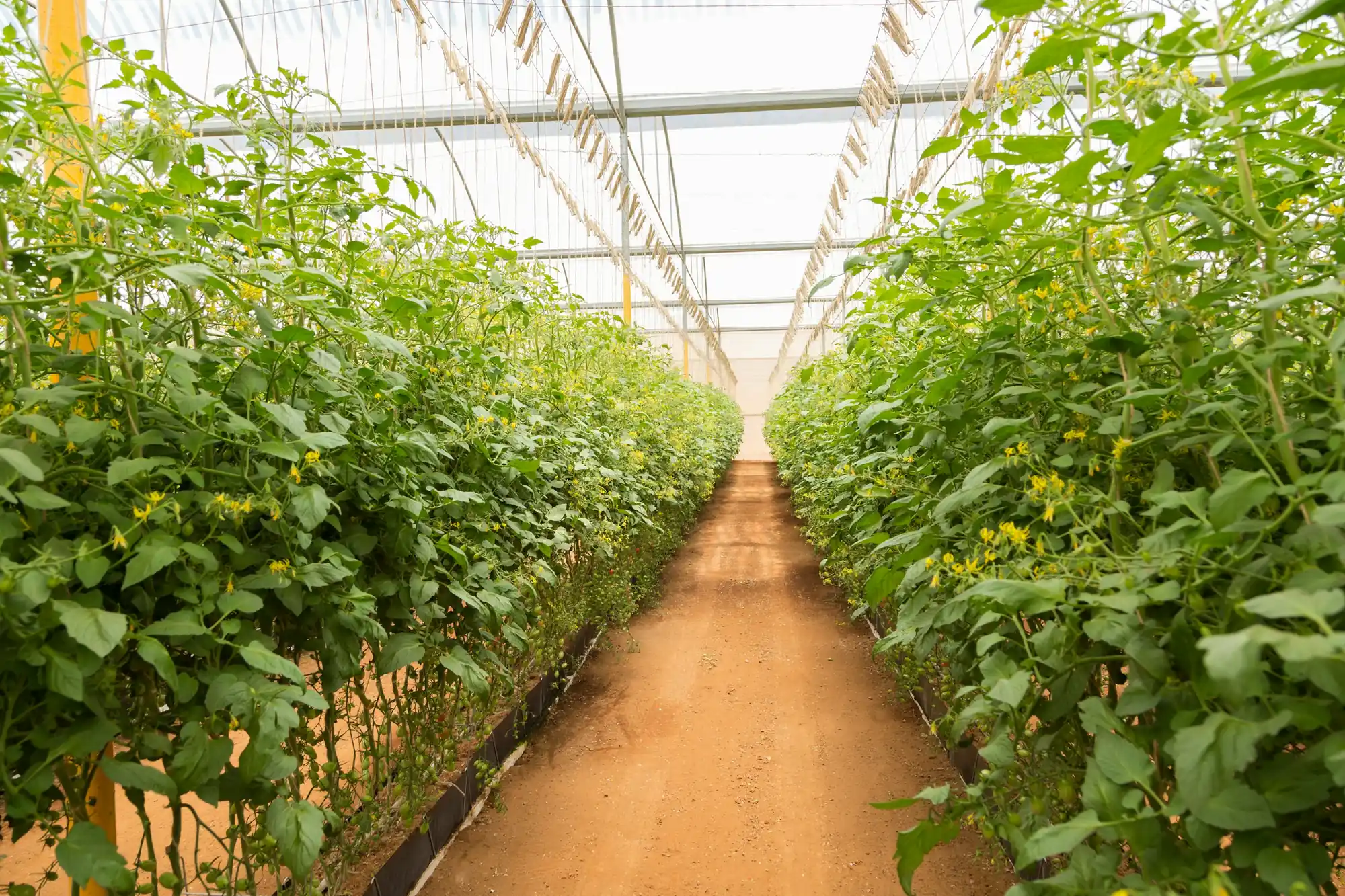
| Cherry Tomato | Dutch Bucket | 20-35 tonnes | ₹150-300/kg | ₹30-80 Lakh |
| Cucumber | Dutch Bucket | 40-60 tonnes | ₹30-60/kg | ₹12-30 Lakh |
| Strawberry | NFT/Vertical | 8-15 tonnes | ₹400-800/kg | ₹32-90 Lakh |
Important: These are gross revenue figures. Actual selling prices vary significantly by location, season, and sales channel. Direct-to-consumer (D2C) and HoReCa channels get premium prices; mandi selling gets 40-60% lower.
Monthly Operating Costs (Reality Check)
This is where most YouTube projections fall apart. They show revenue but hide costs. Here's the real monthly operating expense for a 1-acre hydroponics farm:
- Nutrients & Growing Media: ₹15,000–25,000/month
- Electricity (fans, pumps, lights): ₹20,000–40,000/month
- Labour (4-6 workers): ₹30,000–50,000/month
- Packaging & Branding: ₹10,000–20,000/month
- Transportation & Logistics: ₹15,000–25,000/month
- Maintenance & Repairs: ₹5,000–10,000/month
- Seed/Seedling Cost: ₹5,000–15,000/month
- Total: ₹1.0–1.85 Lakh/month (₹12-22 Lakh/year)
Net Profit: The Honest Numbers
| Scenario | Conservative | Moderate | Optimistic |
|---|---|---|---|
| Annual Revenue | ₹20 Lakh | ₹35 Lakh | ₹55 Lakh |
| Annual Operating Cost | ₹14 Lakh | ₹18 Lakh | ₹22 Lakh |
| Net Profit | ₹6 Lakh | ₹17 Lakh | ₹33 Lakh |
| Break-Even (with 50% subsidy) | 5-6 years | 2.5-3 years | 1.5-2 years |
The truth: Most first-year farms operate at the conservative level. By year 2-3, experienced operators hit moderate. Optimistic numbers require premium market access (D2C, exports, HoReCa contracts) and excellent technical management.
Hydroponics vs Open Field: Fair Comparison
| Parameter | Hydroponics | Open Field |
|---|---|---|
| Setup Cost/Acre | ₹40-80 Lakh | ₹1-5 Lakh |
| Yield (tomato) | 60-100 tonnes | 15-25 tonnes |
| Water Usage | 90% less | Baseline |
| Pesticide Use | 90% less | Baseline |
| Price Premium | 2-3x (pesticide-free) | Market rate |
| Risk | Lower (weather-proof) | High (rain, pest, temp) |
| Skill Required | High (technical) | Traditional |
Key Challenges (Don't Ignore These)
- Market access is everything: You need premium buyers BEFORE you invest. Mandi selling kills margins. Build relationships with hotels, restaurants, modern retail (Nature's Basket, BigBasket), and D2C channels first.
- Technical learning curve: Hydroponics requires daily monitoring of EC, pH, temperature, and nutrient levels. The first 6 months are a steep learning curve. Budget for training.
- Power reliability: Fan-pad greenhouses and NFT pumps need consistent electricity. Budget for DG or solar backup.
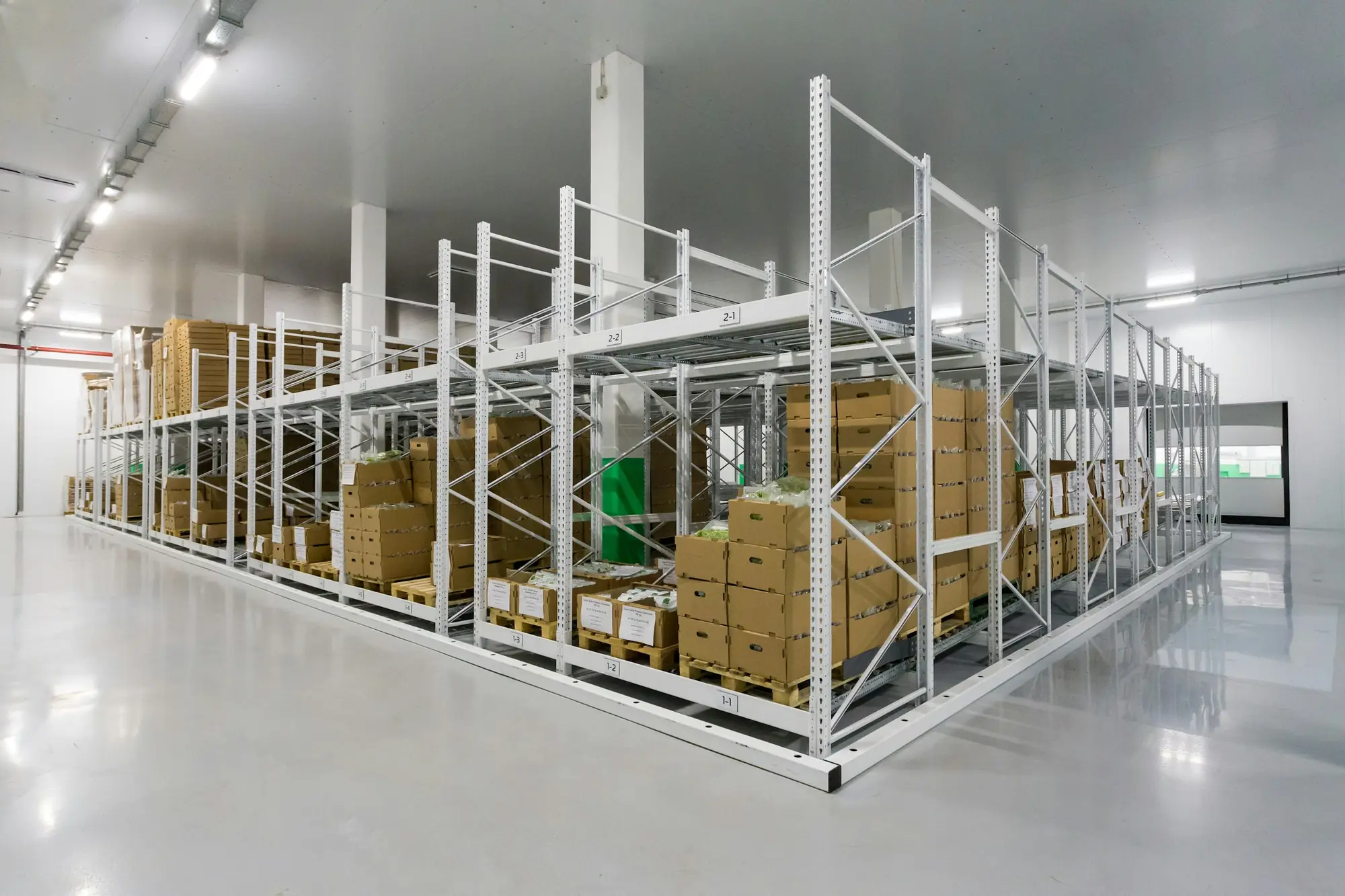
- Perishability: Hydroponic produce is ultra-fresh but ultra-perishable. You need cold chain (at least a small walk-in cooler) and efficient logistics within 24-48 hours of harvest.
- Climate limitations: Hydroponics works best in moderate climates. Extreme heat (45°C+) requires expensive cooling. Very cold areas need heating.
Subsidy Options for Hydroponics
- MIDH: 50% subsidy on greenhouse + protected cultivation infrastructure
- NHB: 35–45% for projects combining hydroponics with cold chain
- AIF: 3% interest subvention on bank loans up to ₹2 Crore
- State schemes: UP, Maharashtra, Karnataka offer additional layers
AgriMotion: Your Hydroponics Setup Partner
AgriMotion Engineering delivers turnkey hydroponics farms — from greenhouse construction and NFT/Dutch bucket system installation to fertigation automation and cold room integration. We handle MIDH and NHB subsidy filing in-house and provide 12-month performance support. We don't just build it; we make sure it works.