AgriMotion Engineering
    Explainer · Cold Chain

    How to size a cold room for fruits & vegetables

    In short.

    Size a cold room from the produce type, daily intake and peak storage, the inlet and target temperatures, peak summer ambient and door openings per day. Heat load = transmission + product + air infiltration + miscellaneous loads; add a 10–20% safety factor for Indian ambient conditions, then size compressor TR. PUF runs 80–100 mm for chillers and 125–150 mm for freezers.

    On this page6 sections
    1. 01Inputs you need before sizing
    2. 02Volume & footprint calculation
    3. 03Refrigeration load
    4. 04PUF panel thickness selection
    5. 05Project checklist
    6. 06Frequently asked

    Sizing a cold room correctly is the single biggest factor in capex, opex and produce quality. Under-sized refrigeration leads to temperature swings and shelf-life loss; over-sized systems burn capital and energy. This guide walks through the inputs our engineering team uses to size cold rooms for fruits & vegetables in Indian conditions.

    Inputs you need before sizing

    A defensible cold room design starts with the product, the daily throughput, and the local climate.

    • Produce type, daily intake (kg/day), peak storage (MT)
    • Inlet temperature vs target storage temperature
    • Site ambient temperature (peak summer)
    • Number of door openings per day & dock layout
    • Stacking pattern, racking, air circulation requirement

    Volume & footprint calculation

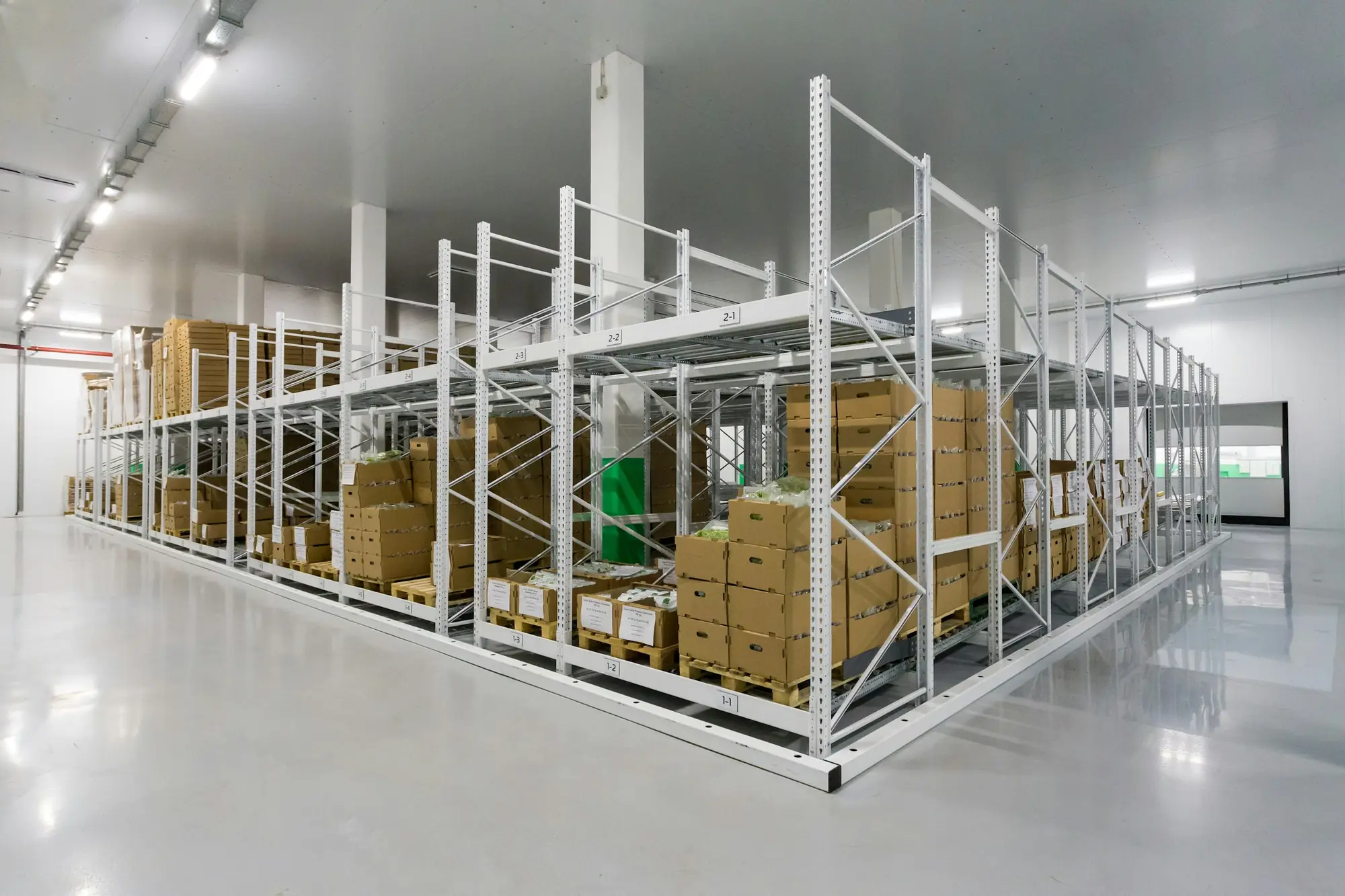
    Required room volume = storage tonnage × bulk density factor × stacking factor. We typically allow 30–40% of the room volume for air circulation, walkways and racking.

    Refrigeration load

    Heat load = transmission load (insulation, panel area) + product load (pull-down + respiration) + air infiltration + miscellaneous (lights, people, motors). Sum loads, add a safety factor of 10–20% for Indian ambient conditions, then size compressor TR.

    PUF panel thickness selection

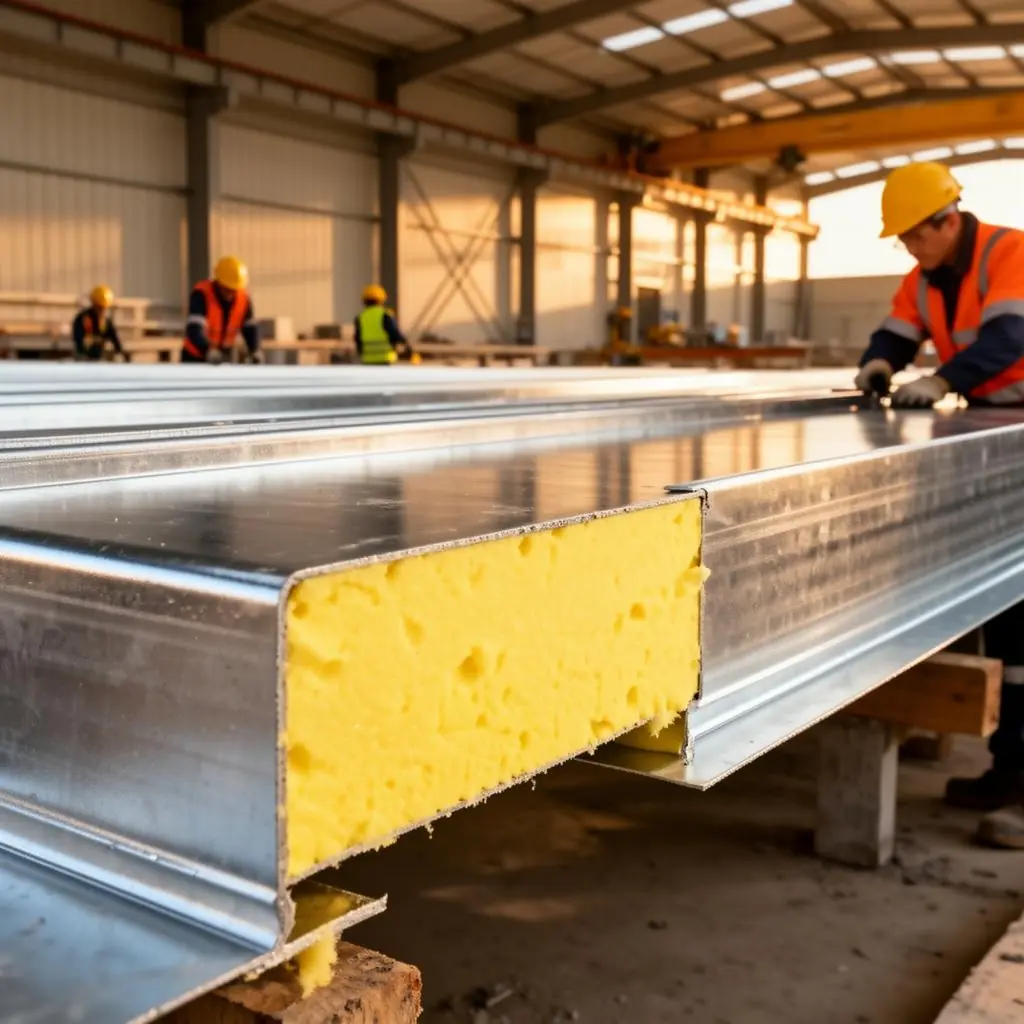
    For chillers (+2°C to +8°C) we typically use 80–100 mm PUF; for cold storage (0°C) 100–125 mm; for freezers (–18 to –25°C) 125–150 mm. Final spec depends on ambient and economic payback.
    Before you commit

    Project checklist.

    • 01Product type and daily/peak load identified
    • 02Target temperature and humidity fixed
    • 03Peak ambient confirmed for site location
    • 04Stacking and circulation factor applied
    • 05Heat load summed with safety margin
    • 06PUF thickness matched to temperature band
    • 07Refrigeration brand selected per duty cycle
    Questions

    Frequently asked.

    Short answers from the engineering team. Ask us anything the article does not cover.

    How much area does 1 MT of fruit/vegetable storage need?

    Indicatively 1.2–1.8 m² per MT for palletised storage, including walkways. Higher for delicate produce that needs lower stacking heights.

    Can a single cold room store multiple commodities?

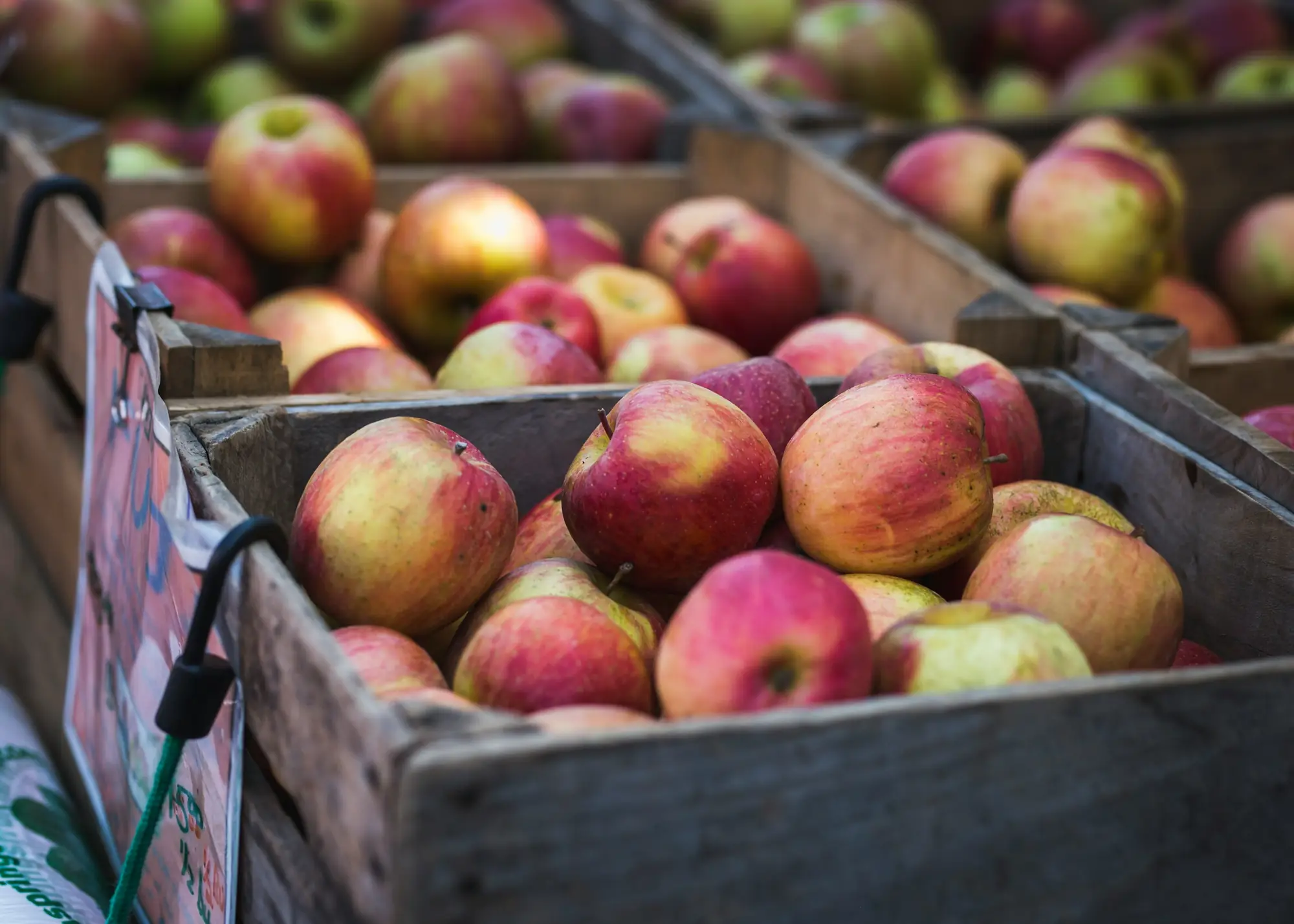
    Only when their storage temperature, humidity and ethylene profiles are compatible. Ethylene-producing produce (banana, apple) must be separated from ethylene-sensitive produce (leafy greens, broccoli).

    Share your brief

    Planning a cold-chain project?

    Share your brief — our engineering team will respond within 24 hours with an indicative estimate and next steps.

    • An engineer calls backUsually the same working day — someone who can talk loads, layouts and schemes.
    • An indicative estimateCapex range, scheme fit and next steps, before any paid DPR work.
    • No obligationYour details are used only to reply to this enquiry.
    Your details
    Your project

    No spam. Indicative estimate only — final quotation depends on site condition, specifications and current material rates.