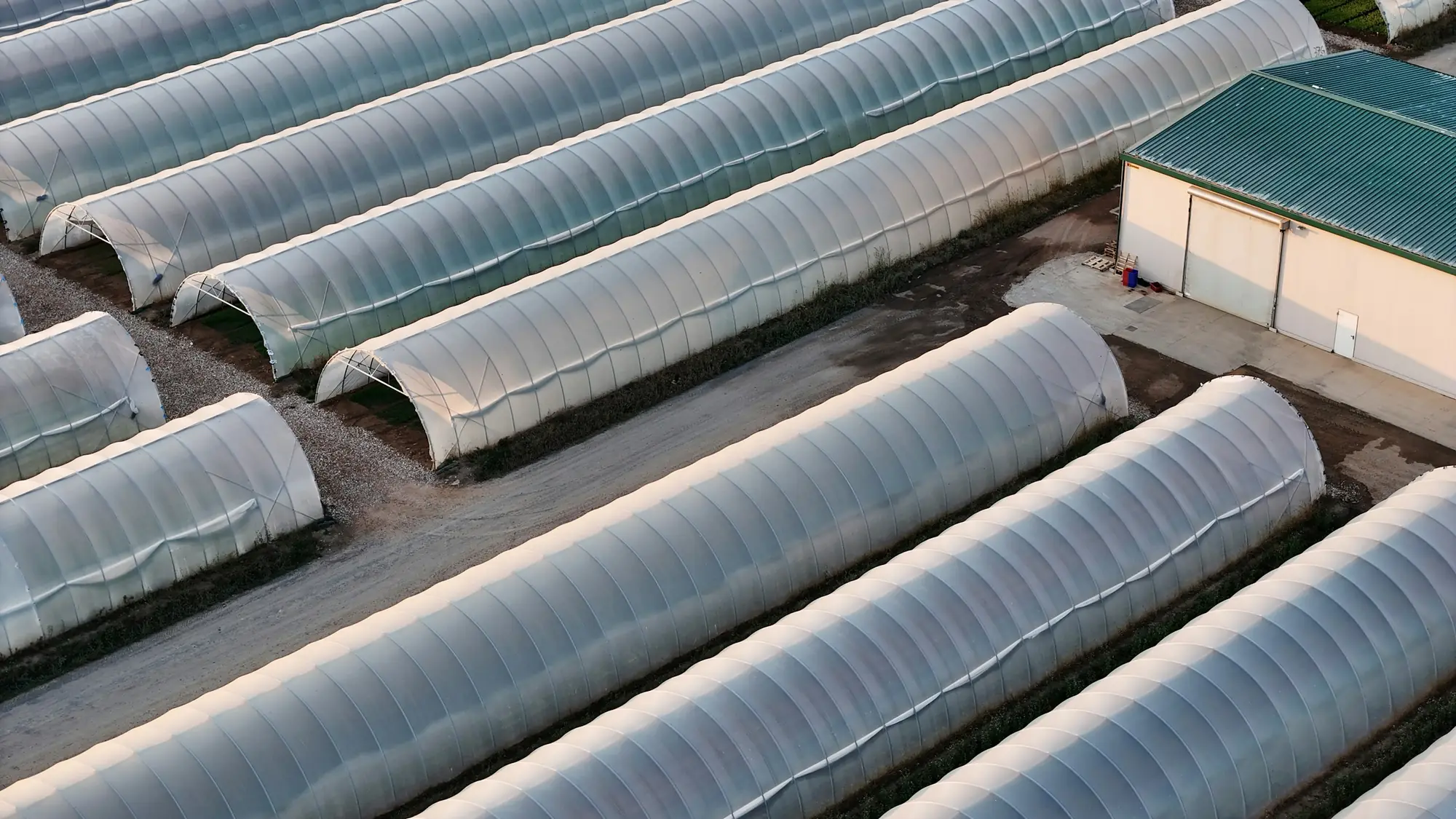
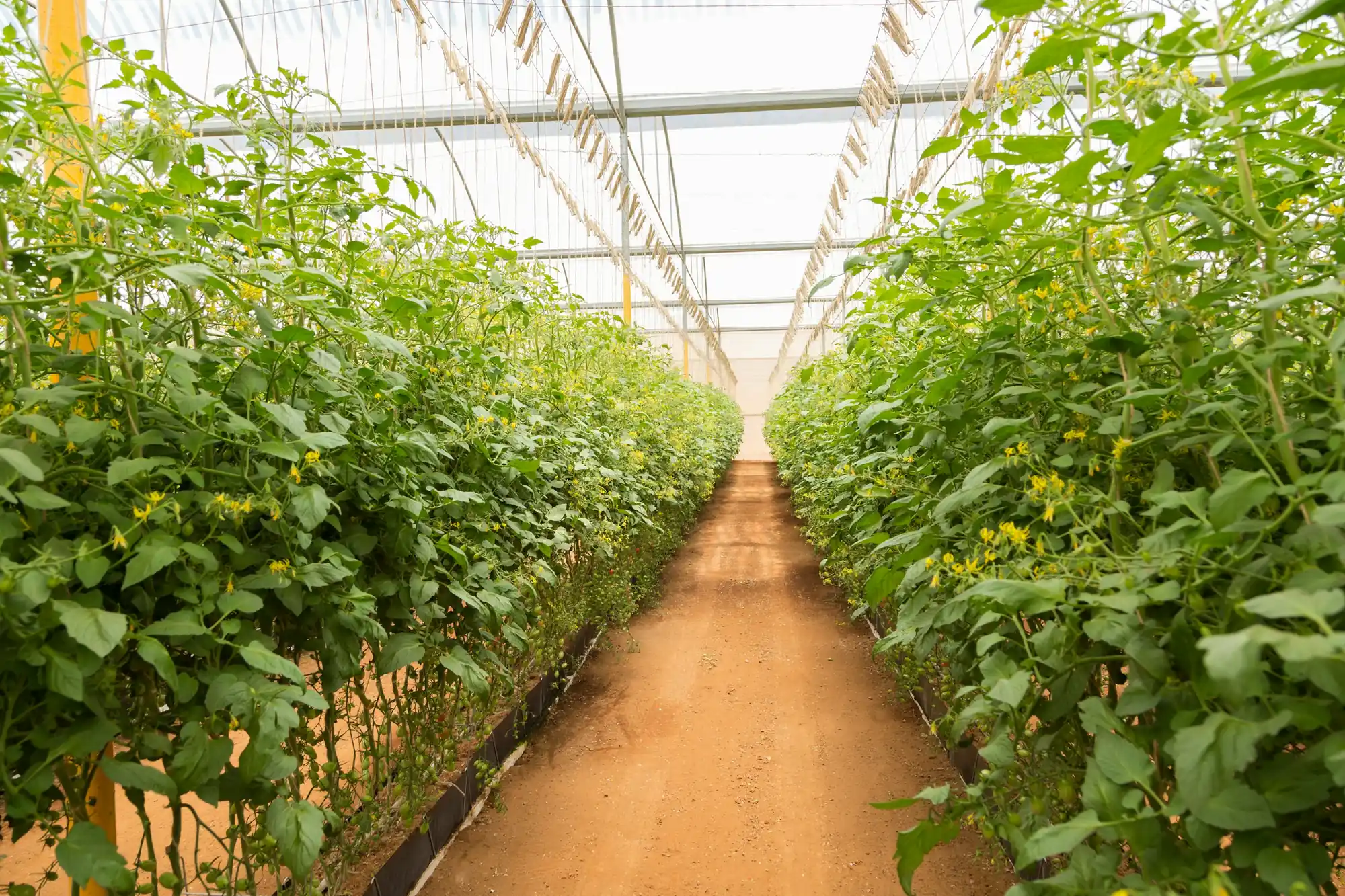
After designing and building 200+ polyhouses across India, we've seen every mistake in the book. Some cost farmers ₹5-10 Lakh in lost revenue. Others cause complete project failure. This guide documents the 10 most common and costly mistakes so you can avoid them.
Mistake #1: Choosing the Wrong Structure Type
The most expensive mistake. Farmers often choose NVPH because it's cheaper, even when their climate demands Fan & Pad. Or they invest in Fan & Pad when NVPH would suffice, wasting ₹15-30 Lakh extra. The choice depends on maximum summer temperature, target crops, and altitude. Rule of thumb: if summer temperatures regularly exceed 42°C, you need Fan & Pad for heat-sensitive crops.
Mistake #2: Buying the Cheapest Structure
Budget polyhouses with thin GI pipes (below 2mm wall thickness), low-GSM polythene film (below 200 micron), and weak foundations are a ₹20-30 Lakh ticket to disaster. We've seen structures collapse in the first major storm, polythene tear within months, and frames corrode beyond repair in 3-4 years. Always specify ISI-grade galvanized steel, 200 micron UV-stabilized film, and proper concrete footings.
Mistake #3: Ignoring the MIDH Subsidy
Many farmers rush into construction without applying for MIDH 50% subsidy first. Once construction begins without prior approval, the subsidy becomes much harder to claim. Always file the subsidy application BEFORE starting construction. AgriMotion handles complete MIDH filing — the subsidy alone can save ₹15-40 Lakh.
Mistake #4: Wrong Crop Selection
Growing regular tomatoes or vegetables that don't command premium prices defeats the purpose of polyhouse investment. Focus on high-value crops: colored capsicum (₹80-150/kg), cherry tomatoes (₹100-200/kg), gerbera/carnation flowers, herbs, and exotic vegetables. The polyhouse should grow crops that justify the investment.
Need Help With Your Project?
Get a free project estimate in 24 hours. Subsidy eligibility check included.
Mistake #5: No Market Research Before Building
Building a polyhouse without confirmed buyer relationships is risky. Before investing, visit local mandis, speak to hotel/restaurant purchasers, connect with export aggregators, and understand seasonal price patterns. The best polyhouse projects have offtake agreements before the first crop is planted.
Mistake #6: Skipping Training
Polyhouse farming is NOT open field farming with a roof. It requires entirely different skills — fertigation management, CO2 enrichment, humidity control, integrated pest management (IPM), plant training/pruning techniques, and post-harvest handling. Invest in a 15-30 day training program before your polyhouse is ready.
Mistake #7: Poor Site Selection
Common site issues: waterlogging during monsoon (kills roots and causes disease), no windbreak on the prevailing wind side (tears polythene and stresses structure), east-west orientation instead of north-south (uneven light distribution), and poor road access (damages produce during transport).
Mistake #8: Undersized Water & Fertigation System
A 1-acre polyhouse needs 5,000-8,000 liters of water daily. Inadequate water source, small storage tanks, or cheap fertigation systems create chronic stress on crops and drastically reduce yields. Always size the water system for peak summer demand, not average.
Mistake #9: No Pest Prevention Protocol
The warm, humid polyhouse environment is paradise for whitefly, thrips, aphids, and fungal diseases. Without proper insect nets (40-50 mesh), double-door entry systems, foot dips, and scheduled IPM protocols, pest issues can destroy entire crop cycles. Prevention costs 1/10th of treatment.
Mistake #10: No Post-Harvest Infrastructure
Growing premium produce in a polyhouse but then packing it loosely in open trucks is a waste. Invest in a small pack house (grading, sorting, packaging area) and a cold room (even 5 MT) to maintain quality from harvest to market. The price premium for properly graded and cold-chain-maintained produce is 30-50% higher.