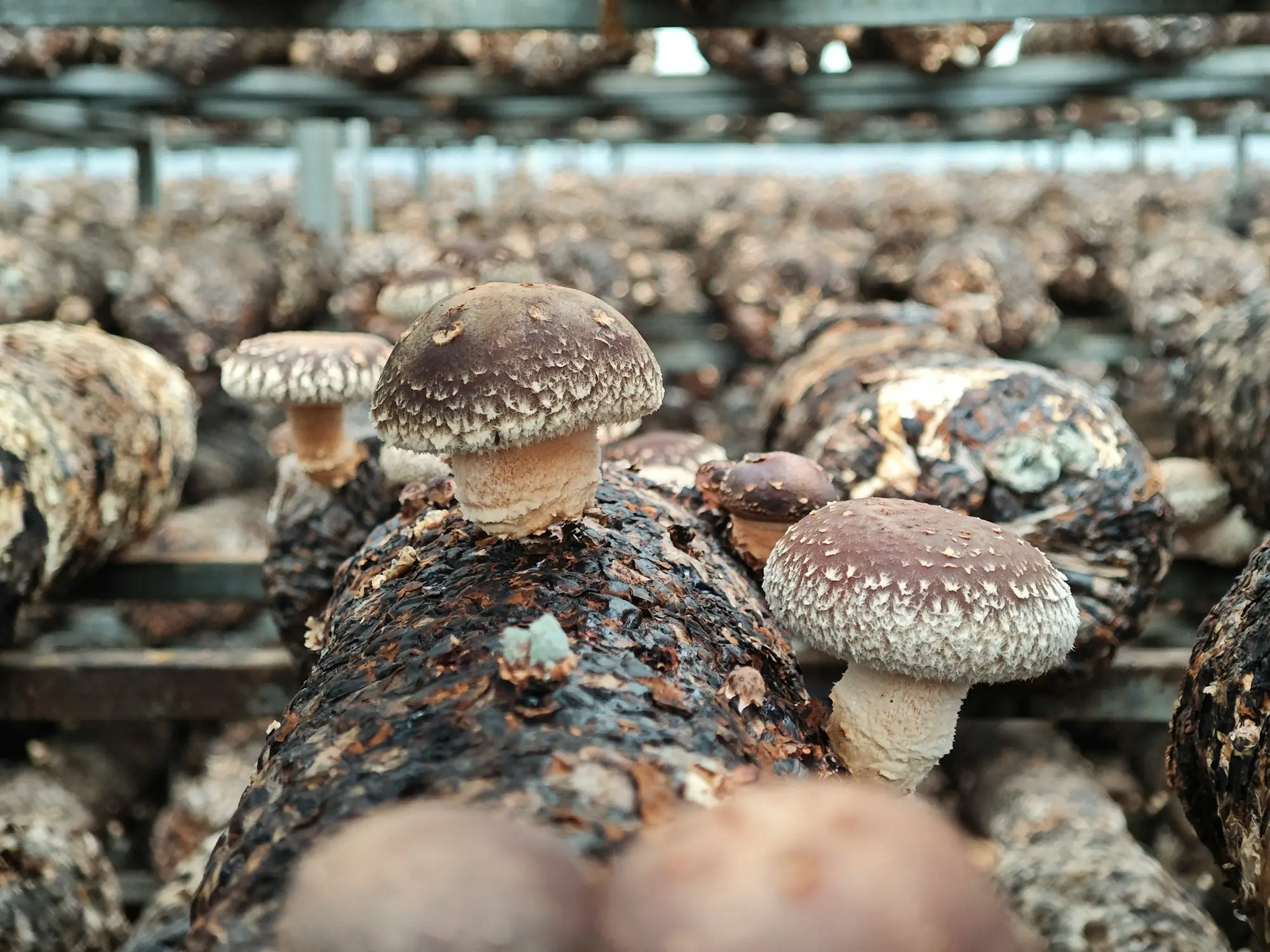
Mushroom farming is one of India's fastest-growing agri-businesses, and PMEGP (Prime Minister's Employment Generation Programme) is the most accessible subsidy scheme to fund it. With 15-35% margin money subsidy on projects up to ₹50 Lakh, PMEGP makes mushroom farming viable even for first-time entrepreneurs.
But the success of your PMEGP application hinges entirely on the quality of your project report (DPR). This guide shows you exactly how to prepare a bankable mushroom unit project report, with a complete cost breakdown and template structure.
What is PMEGP?
PMEGP is a credit-linked subsidy scheme administered by KVIC (Khadi & Village Industries Commission) through DIC (District Industries Centre) and Khadi boards. It provides margin money subsidy to entrepreneurs setting up new micro-enterprises in manufacturing and service sectors.
| Category | Urban | Rural |
|---|---|---|
| General | 15% | 25% |
| SC/ST/OBC/Women/Minorities/Ex-Servicemen | 25% | 35% |
Maximum project cost: ₹50 Lakh (manufacturing) / ₹20 Lakh (service). Mushroom farming falls under manufacturing. The promoter contributes 5-10% equity, bank provides the term loan, and PMEGP margin money reduces your effective loan burden.
Cost Breakdown: 1000 Sq Ft Mushroom Unit
A typical 1000 sq ft button mushroom or oyster mushroom unit includes a growing room, pasteurization area, spawn storage, and packing area. Here's a realistic cost breakdown for 2026:
| Component | Cost (₹) |
|---|---|
| Civil Work (insulated room, flooring, drainage) | ₹5-8 Lakh |
| PUF Panel Insulation (80mm walls, 100mm ceiling) | ₹3-5 Lakh |
| AC/Cooling System (Daikin recommended) | ₹3-5 Lakh |
| Humidification System | ₹0.5-1 Lakh |
| Growing Racks (SS/GI, 4-5 tiers) | ₹1.5-2.5 Lakh |
| Pasteurization Setup | ₹0.5-1 Lakh |
| Spawn, Compost, Growing Media (1st batch) | ₹1-2 Lakh |
| Electrical, Wiring, DG Backup | ₹1-2 Lakh |
| Working Capital (3 months) | ₹1-2 Lakh |
| Total | ₹17-28 Lakh |
PMEGP Margin Money Calculation Example
Let's say you're a general category entrepreneur in a rural area setting up a ₹22 Lakh mushroom unit:
- Total project cost: ₹22,00,000
- PMEGP subsidy (25% rural): ₹5,50,000
- Your equity (10%): ₹2,20,000
- Bank term loan: ₹14,30,000
- You start a ₹22 Lakh business with just ₹2.2 Lakh out of pocket.
Project Report Structure (Template)
A bankable PMEGP project report for a mushroom unit should contain these sections:
- Executive Summary: Project name, location, capacity, total cost, subsidy sought, promoter details.
- Promoter Background: Education, experience, training certificates (ICAR/IIHR mushroom training preferred).
- Project Description: Type of mushroom (button/oyster/milky), growing method, production capacity per cycle, number of cycles per year.
- Market Analysis: Local demand data, nearby mandis, hotel/restaurant buyers, online platforms. Include specific numbers.
- Technical Specifications: Room dimensions, insulation type, cooling capacity calculation, rack layout, humidity control method.
- Cost Estimates: Itemized cost table with quotations from 2-3 suppliers for major equipment.
- Revenue Projections: Monthly production × market price × 12 months. Show conservative, moderate, and optimistic scenarios.
- Financial Analysis: Break-even analysis, cash flow statement, P&L projection for 5 years, ROI calculation.
- Employment Generation: Direct and indirect jobs created (PMEGP tracks this metric closely).
- Implementation Timeline: Gantt chart showing construction, equipment installation, trial batch, and commercial production milestones.
KVIC vs DIC Filing — Which to Choose?
PMEGP applications can be filed through KVIC (Khadi & Village Industries Commission) or DIC (District Industries Centre). For mushroom units, DIC is usually faster because the district-level office is more accessible, processing times are shorter (4-6 weeks vs 6-10 weeks for KVIC), and the officer can visit your site easily.
However, if your district DIC has a long backlog, KVIC may be better. AgriMotion advises based on your specific district and current processing times.
Revenue Potential of a Mushroom Unit
A well-managed 1000 sq ft mushroom unit can produce 800-1200 kg of fresh mushrooms per cycle. With 8-10 cycles per year (for oyster mushroom) or 3-4 cycles (for button mushroom):
- Oyster Mushroom: 8000-12000 kg/year × ₹80-150/kg = ₹6.4-18 Lakh/year
- Button Mushroom: 3000-4800 kg/year × ₹120-200/kg = ₹3.6-9.6 Lakh/year
- Operating costs: ₹3-6 Lakh/year (spawn, compost, electricity, labour)
- Net profit: ₹3-12 Lakh/year from a 1000 sq ft unit
Why AgriMotion for PMEGP Mushroom Projects
AgriMotion Engineering prepares bankable PMEGP project reports with engineering-grade specifications and handles complete DIC/KVIC filing. We also design and build the mushroom unit — including PUF panel insulation, Daikin cooling systems, humidity control, and growing racks — as a single EPC contract. From DPR to commissioning, one partner, one accountability.